Offers
 Rates
Rates V-KYC
V-KYC Debit Card Related
 Credit Card Related
 SA Welcome Kit
  Manage Mandate(s)
 Get Mini Statement
 categories
 Bloggers
 Blog collection
 Press Release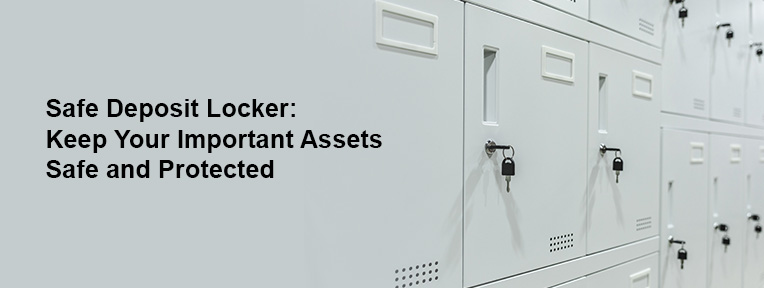
What is a Safe Deposit Locker and How To Use It?
Updated on Thursday, October 1st, 2026 | By IndusInd Bank

Summary
- A safe deposit locker is a secure storage facility provided by banks for safeguarding valuables and important documents.
- Lockers are available in different sizes to accommodate varying storage requirements.
- Safe deposit lockers can store jewellery, property documents, insurance papers, wills and other important records.
- Linking a locker facility with a savings account often simplifies rent payments and account management.
Protecting valuable belongings is just as important as growing your wealth. While financial assets can be safeguarded through banking products and investments, physical valuables such as jewellery, important documents and family heirlooms require secure storage. This is where a safe deposit locker can help.
A safe deposit locker offers a secure space within a bank’s premises to store valuable items, giving you peace of mind and reducing the risks associated with keeping them at home. When paired with a savings account, it can become an integral part of your overall financial management strategy.
What is Safe Deposit Locker?
A safe deposit locker is a secure storage unit rented by a bank to its customers for keeping valuable possessions and important documents safe. These lockers are housed within highly secured vaults and can only be accessed through established security procedures.
Individuals commonly use safe deposit lockers to store:
- Gold and diamond jewellery
- Property-related documents
- Insurance policies
- Wills and estate planning documents
- Share certificates and investment records
- Family heirlooms and collectibles
By keeping valuable items in a bank locker instead of at home, customers can minimise risks associated with theft, loss, fire, or accidental damage.
What are the Top Features of Safe Deposit Locker?
Some of the key features of a safe deposit locker are:
- High-Level Security: Safe deposit lockers are located within secure vaults that are protected through multiple layers of security measures, including restricted access and surveillance systems.
- Multiple Locker Sizes: Banks typically offer lockers in various sizes, allowing customers to choose one based on their storage needs and budget.
- Controlled Access: Locker access follows prescribed verification procedures, ensuring that only authorised individuals can access the locker.
- Nomination Facility: Many banks provide nomination options, allowing the locker holder to designate a nominee who can claim access as per applicable rules in the event of unforeseen circumstances.
- Long-Term Storage Solution: Safe deposit lockers provide a reliable option for storing valuable items over extended periods without occupying space at home.
What are the Benefits of Safe Deposit Locker?
- Enhanced Protection for Valuables: A safe deposit locker offers an added layer of security for items that may be difficult or costly to replace.
- Reduced Risk at Home: Keeping large quantities of jewellery or important documents at home may expose them to various risks. A locker helps mitigate these concerns.
- Better Organisation: A dedicated storage space for important documents allows you to organise and retrieve essential paperwork more efficiently.
- Peace of Mind: Knowing your valuable belongings are stored securely can help reduce stress and provide greater confidence.
- Support for Financial Planning: Documents related to investments, insurance policies, estate planning and property ownership can be safely stored in one place for easy access when required.
Safe Deposit Locker Sizes, Charges & Fee Structure
Banks generally offer lockers in multiple sizes to suit different customer needs.
| Locker Sizers | Suitable for |
| Small Locker | Jewellery, certificates, passports and insurance documents |
| Medium Locker | Multiple jewellery boxes, property papers and family documents |
| Large Locker | Larger collections of valuables, heirlooms and important records |
That said, the locker rental fee usually depends on:
- Locker size selected
- Branch location
- Locker availability
- Applicable taxes and charges
- Security deposit requirements, if any
Customers should check with their bank for the latest locker charges and eligibility requirements.
What You Should and Should Not Store in a Safe Deposit Locker?
That’s pretty simple. Items you can store in a safe deposit locker include: Gold, silver, and diamond jewellery; Property documents; Fixed deposit receipts; Insurance policies; Wills and succession documents; Birth, marriage, and educational certificates; and Valuable collectibles and heirlooms.
Meanwhile, there also certain items that you should avoid storing in a locker, including cash for routine usage, illegal or prohibited items, hazardous, explosive, or flammable materials, perishable goods, and items requiring frequent access. A locker should primarily be used for safeguarding important valuables and records rather than storing regularly used items.
Why Opt for a Safe Deposit Locker with Your Savings Account?
Managing a safe deposit locker alongside a savings account can offer added convenience and efficiency. Some advantages include:
- Simplified Banking Relationship: Maintaining both facilities with the same bank can make account management easier and more convenient.
- Easy Access to Banking Services: Customers can manage their day-to-day banking needs while also maintaining secure storage for valuables through a single banking relationship.
- Better Financial Organisation: A savings account helps manage liquid funds, while a safe deposit locker protects important physical assets. Together, they support a more comprehensive approach to personal financial management.
For individuals seeking a combination of accessibility, security, and convenience, pairing a savings account with a safe deposit locker can be a practical solution.
Conclusion
A safe deposit locker serves as a secure and reliable solution for storing valuable belongings and important documents. Whether you want to protect family jewellery, property papers, legal documents or cherished heirlooms, a locker can help safeguard these assets against various risks.
When combined with a savings account, it not only enhances convenience but also supports better financial organisation. By choosing the right locker size and following recommended storage practices, you can enjoy greater peace of mind knowing your valuables are protected.
Frequently Asked Questions
1. How secure are safe deposit lockers compared to other storage options?
Safe deposit lockers are generally considered one of the most secure options for storing valuables due to the controlled access, security measures and protected vault infrastructure maintained by banks.
2. How often can I access my safe deposit locker and during what hours?
Locker access is typically available during the branch’s designated locker operating hours. The exact timings may vary by bank and branch location.
3. What happens to my safe deposit locker if I don’t use it for a long time?
Banks may contact customers if a locker remains inoperative for an extended period. The treatment of dormant lockers is generally governed by applicable bank policies and regulatory guidelines.